
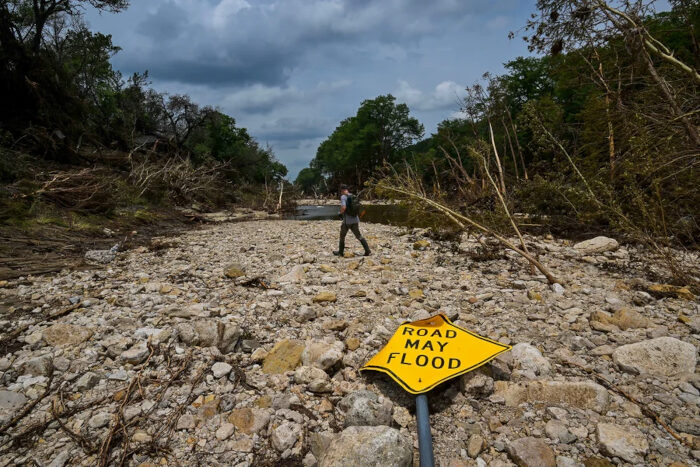
On July 4, 2025, Texas was struck with a disastrous flash flood in the state’s center Tragedy deepens as Kerr County reported to have found 27 bodies at Camp Mystic on July 7. The National Weather Service (NWS) had made an effort to warn the state’s citizens as early as possible since the evening of July 3.
Yet, their reports did not reach all due to a staff shortage. With Tropical Depression Chantal roaming across the US East Coast, North Carolina is experiencing a similar fate. New York Senate Minority Leader Chuck Schumer has requested an investigation to find connections between the NWS’ staff cuts and Texas’ Independence Day Flash Flood.
The Satellite Weather Data Halt
Earlier, on June 30, the US Department of Defense stopped providing satellite weather data. A rumor spread that members decided for cybersecurity concerns. Instead, it left meteorologists to rely on hands-on methods to track down weather conditions. An insider source informed BBC that the Texas Division of Emergency Management received intel of incoming floods heading towards west and central Texas. The report arrived for them on July 2.
The NWS issued an overnight watch for Kerr County after identifying that the rain would impact the Guadalupe River’s water level on the afternoon of July 3. They sent out a second notification at 1:14 AM and a third at 4:30 AM on July 4. The survivors’ statements gathered gave local news mixed results. Many agreed that the NWS did send the warning, some were unsure of its severity, and others did not receive it.
Due to the confusion, the flood has resulted in over 100 deaths in the affected counties. 27 were identified as Camp Mystic’s counselors and campers. The flash flood broke many families into tears, including Kansas City Chiefs’ owner Clark Hunt. His wife, Tavia, shared on Instagram that they lost their dear relative, Janie Hunt, who attended the summer camp.
The events leading to the emergency evacuations raise suspicions about the US government shutting down a vital protocol. Many believed it’s linked to the Trump Administration and DOGE’s layoffs of the National Oceanic and Atmospheric Administration (NOAA) earlier this year.
Chuck Schumer’s Concerns for the NWS

The current natural disaster roaming on the US East Coast is Tropical Depression Chantal. The frightening storm first struck Florida with heavy rain. When the storm arrived in North Carolina on July 6, the state’s east-central counties got hit with flash flooding. The damages were similar to Texas’ Independence Day Flash Flood. NC citizens also experienced the same notification patterns from the NWS. Chapel Hill, located within Orange County, reported damages that caused car collisions.
Chantal continues wreaking havoc as it heads straight towards Virginia, New Jersey, Connecticut, and New York. President Trump and US Secretary of Commerce Howard Lutnick denied that their job cuts at NOAA negatively affected the NWS’s weather alert efficiency. After hearing the terrifying fate of Kerr County, New York’s Chuck Schumer grew concerned for the US’ awareness of incoming natural disasters. He requested an investigation to the Department of Commerce’s Inspector General, Roderick Anderson, on July 7. His letter said:
“Following the disastrous and deeply devastating flash flooding in Texas this weekend, I urged you to immediately open an investigation into the [operations] of whether staffing shortages at key local NWS stations contributed to the catastrophic loss and property during the deadly flooding.”
NOAA Seeks More Efficient Alert Methods

In a CNN interview, former NOAA Administrator Rick Spinrad said he was pleased by that the NWS had the equipment to gather the Texas’ flash flooding forecast. Yet, he fears text messages may not be enough to alert the population. “If the emergency managers don’t get the information they need, then you can have the consequences that we saw,” he told CNN Bianna Golodryga. “My real worry was whether the full continuum of forecast, response, and recovery were being attended to in the most appropriate and efficient manner.”
As previously mentioned, the NWS sent out two extra notifications on the morning of July 4. Not everyone received the warning, especially the counselors of Camp Mystic. Many campgrounds are known to have rare access to cellular service, leading to the death of the staff and campers. CNN National Security Senior Analyst Juliette Kayyem added, “To examine and study a disaster is a requirement. We owe it to the dead to learn what happened to be better prepared.”
With the current stance on providing satellite weather images to the NWS, the NOAA and its associates are searching for reliable traditional methods. Their new goal is to provide a more efficient warning system to prevent alert delays to affected states. Almost all states have emergency sirens and broadcast for statewide disasters. However, these stations are more likely to be found within large city limits rather than small towns and city outskirts. Until a new reliable alert system is developed, Schumer and the NOAA hope to restore the NWS’s efficiency.
