
You might not think of Kwanzaa when you think of Kentucky. The Bluegrass state of Kentucky is usually known for the three Bs: Bourbon, Bible, and basketball (sorry, football fans). Personally, I think we should add a fourth B to the list: Black Louisville. Although African Americans make up only 24% of Louisville’s population, their culture and historical contributions are evident throughout the
This history is celebrated at places like the Western Library (the first library operated by African Americans in the United States), at the birthplace of Muhammad Ali, and at the cultural haven and educational site, the Roots 101 African American History Museum, where people gather to celebrate Umoja Kwanzaa.
The History of Kwanzaa
Kwanzaa is based on seven core principles known as the Nguzo Saba, which include unity, self-determination, collective work and responsibility, cooperative economics, purpose, creativity, and faith. Each day of Kwanzaa is dedicated to one of the principles, encouraging reflection and community engagement.
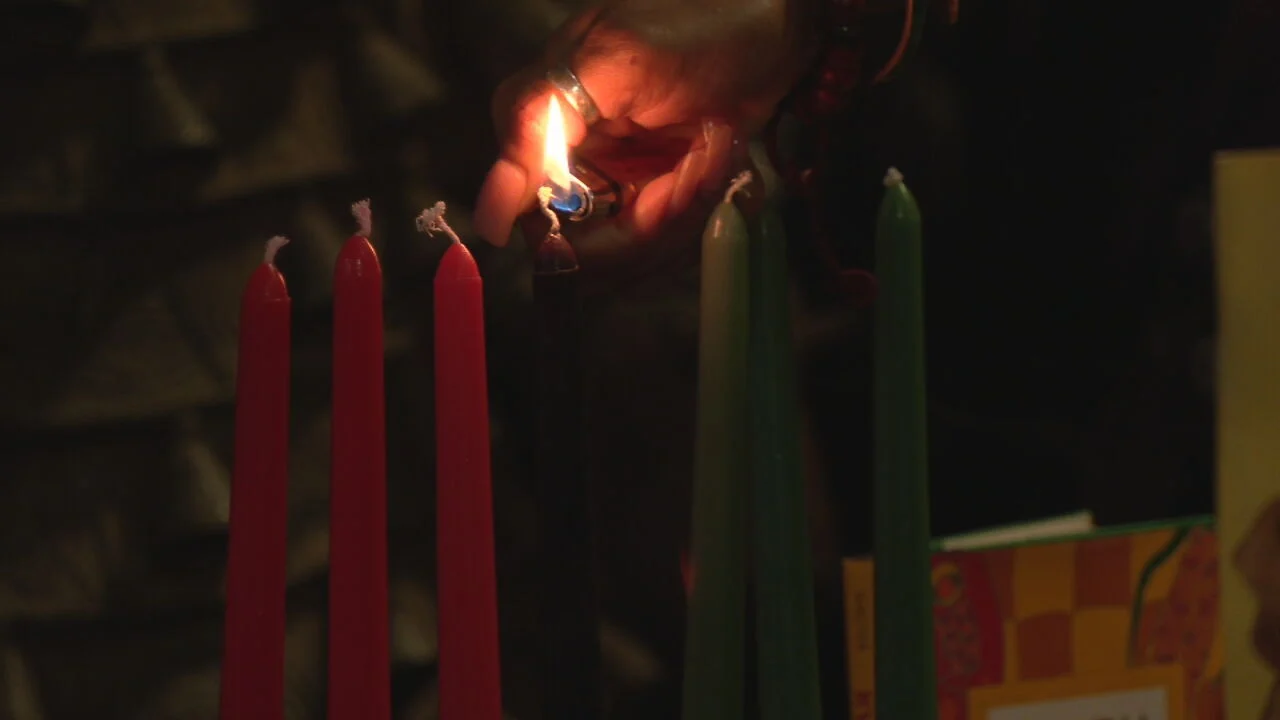
The celebration incorporates various cultural practices, including lighting the kinara (candle holder), sharing stories, and participating in communal feasts. Kwanzaa emphasizes family, community, and cultural identity, fostering a sense of belonging and pride among participants. Kwanzaa gets its name from the Swahili phrase “matunda ya kwanza” and is rooted in first-fruit celebrations found in cultures throughout Africa, both ancient and modern.
Learning Black Roots in Louisville
The Roots 101 African American History museum educates locals and visitors to Louisville about the history of the Black diaspora in the US and abroad. With special exhibits dedicated to the history of Black Louisville. The Static Major exhibit, for example, is dedicated to R&B pioneer Static Major. An icon to the music industry and a hometown hero to Louisville, Kentucky.
Every year on Dec. 26, Kwanzaa begins. The holiday is full of music, dancing, stories, lights, food, and unity. It was created in 1966 by Dr. Maulana Karenga to unite, preserve, revitalize, and promote African American culture. Yesterday, the Roots 101 Museum kicked off its Umoja Kwanzaa celebration. The celebration blended lessons in art, poetry, and song. It’s a common misconception that Kwanzaa is a religious holiday. Something the museum founder and CEO, Lamont Collins, made sure to educate event goers about.
“It’s not a religious holiday. It’s a cultural holiday. Understanding the principles of everybody’s culture,” Collins said. “Practicing the principles of Kwanzaa is something that we (African Americans) do.”

Why Kwanzaa is Important in Louisville
There are questions about the origins of the African American community in Louisville, but some argue that it began with the free African American community that arrived in the city between 1830 and 1860. The free African American population of Louisville increased from 232 to 1,917 during this period.
This led to Louisville becoming home to the largest concentration of free people of color in Kentucky and in the whole upper South. However, many were poor, and the hopes of owning and operating businesses were blocked by laws enacted to prevent competition with whites; hence, their employment opportunities were limited to labor and domestic service.
Despite this hardship, in true African American fashion, these pioneering Louisvillians persevered by embodying everything the seven days of Kwanzaa represent. Day one of Kwanzaa celebrates Umoja (meaning “unity” in Swahili). It represents solidarity and the importance of togetherness. We shouldn’t romanticize the hardships that past and current Black Louisvillians endure, but it’s inspiring to know that those who came before us worked tirelessly together to create lives for themselves by any means necessary.
Community is the only thing that will save us during the trying times of today, and we know this because of our past and present history. Kwanzaa events in Louisville, such as the one celebrated at the Roots 101 museum, remind the community of who we are, where we come from, and how far we can go.
