
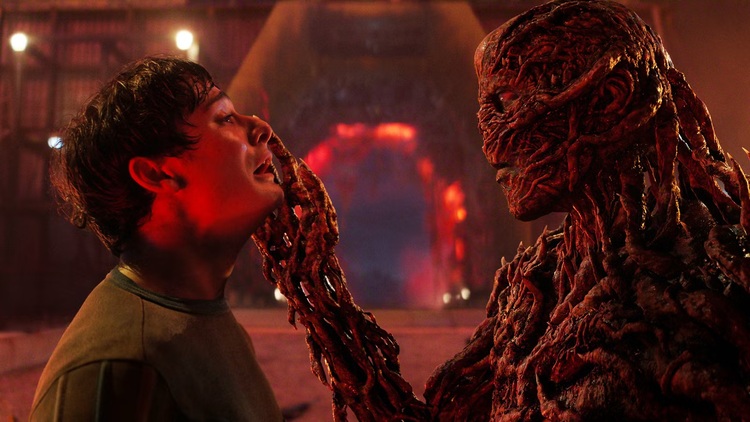
After nearly a decade, Stranger Things has run its course. Technically, it was an active show for 3,457 days, but if you want to stretch it, you could say, since it is now 2026, that it’s been a decade of the show (beginning in 2016). No matter what, it’s been a long ride.
Reflecting on the End of Stranger Things

Upon completion of the two-hour finale on December 31, I couldn’t help but feel nostalgic and bittersweet. Shows ending, especially when you’ve watched them live, is an experience that is so singular. A large piece of oneself essentially ends then and there. In the case of Stranger Things, a piece of myself that’s been around for over nine years is over.
I believe they more or less stuck the landing. I have gripes with the finale and Chapter 5 as a whole (why did the climax occur at the halfway point of a two-hour episode?), but in my estimation, they connected most of the dots and resolved most things, even if it was in a rushed and slightly unsatisfying way.
But now, we have the entire history of the show to reflect on. It’s over, all five seasons and hundreds of hours of content. The first thing that anyone will say about Stranger Things is that it went downhill after Season 1. That’s more or less true, and there are two reasons (one good, one bad) for that.
First, Season 1 of the show was immaculate. It was lightning in a bottle, which is why the show ended up running for so long. It could’ve been a fantastic miniseries, but everyone would’ve been upset if it ended with so many unanswered mysteries. The first season was impeccable, setting the bar at a level that subsequent seasons couldn’t reach.
For ranking in the immediate aftermath of the final chapter, here’s how I view the seasons:
- Chapter 1
- Chapter 3
- Chapter 4
- Chapter 2
- Chapter 5
I could be convinced to swap Chapters 2 and 5, but they’re the bottom two. The second reason the show went downhill is that the writing and acting suffered. As the child actors got older, they lost some of the charm and innocence they brought to the table. By the end, many of them struggled.
There’s an inherent problem with this sort of thing. It’s with love that I say it’s similar to the MCU‘s problems. Everyone, myself included, loved the MCU for a long time, but as they kept adding things and bringing in more characters, it all got to be too much to balance.
The same thing happened with Stranger Things. An original main cast of Dustin, Will, Lucas, Mike, and then Eleven grew exponentially over the course of the five seasons. By the time the finale came around, the core group of characters was massive.
This is true of the lore as well. For four seasons, the Duffer Brothers consistently added interesting and fun tidbits of lore to the show, expanding the universe without focusing on any one aspect too closely. But in Chapters 4 and 5, they had to start actually tying the lore together, and that resulted in a very exposition-heavy, rushed ending to the show.
Just like the MCU, it crumbled under its own weight. But also just like the MCU, no one will forget how good it was and how much they enjoyed it. The first few phases of the MCU are beloved, and the first few seasons of Stranger Things are, too. Unlike the MCU, though, the show is over.
For better or worse (worse, most likely), Stranger Things changed media forever. Netflix would not be Netflix without it. That has had and will continue to have massive ramifications on the film and television industry, and while that’s not the fault of the show for being so good and so popular, it is part of the legacy.
Conclusion
I was 17 when the Netflix show first came out, and I spent nights after school and work watching episodes on my laptop in my bed. I’m 26 now and have a house, family, and more. The show didn’t age as well as I did (I hope, anyway), but I’ll never forget how much it meant to me for all these years.
