
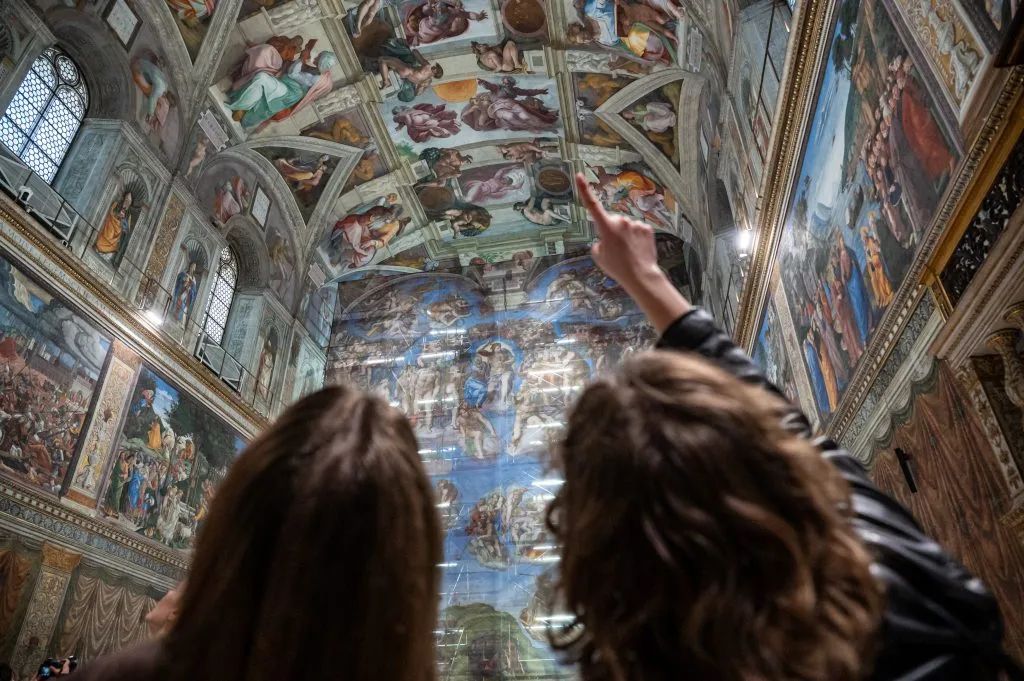
Once upon a time, when the wealthy weren’t investing billions in AI and the “artists” that use it, the true creators of paintings, music, sculptures, and literature that we study today had the financial means to pursue the artworks that have defined generations. Patrons of the arts helped these artists support their livelihoods and promoted their artistic output. Who were these wealthy donors, and what happened to artistic patronage?
Early History
Patronage is another word for supporting or promoting. Sometimes the support isn’t financial, but more influential. Before the Renaissance, artists were often seen more as skilled craftsmen and were hired by powerful figures, such as the church, wealthy individuals, or monarchs, who held the power to commission art. Giotto di Bondone, for example, was an Italian painter and architect who worked in the early 14th century.
During his time, his role was still largely one of fulfilling the requirements of his patrons, which were primarily religious institutions. He was commissioned to paint the Scrovegni Chapel in Padua by the wealthy merchant Enrico Scrovegni.
It wasn’t until the Renaissance that this changed. Then, patrons, monarchs, and the wealthy used art as a way to enhance their prestige. Artists then were looked at like celebrities, and they wanted their names attached to their work.
I mean, who wouldn’t want to be the person who could say that they were the ones who commissioned the great Da Vinci to create a work of art? The Medici family and their immense wealth helped pioneer the Renaissance. Donatello’s bronze statue, “David,” was created under Medici patronage.
Although the support of patrons gave us the art we marvel at today, it was highly unlikely that any artist during this time could make it as an artist without the influence of these institutions behind them. And it did come with a cost.
Since these powerful people held the purse strings, they could be demanding about the work. Pope Julius II, for example, was the patron of Michelangelo and commissioned him to paint the Sistine Chapel. But the word “commissioned” is a bit of an understatement. It’s no secret that Michelangelo was bullied by the Pope into creating the work of art. He threatened the artist after he refused the commission because he was known for and preferred sculpting. Pope Julius II used his authority to force the artist to do the work.
Patronage Today
Social media has truly changed the way we view art and how artists are paid for it. I, myself, have discovered many artists through social media and have even purchased their works. Yet even with the amount of wealth that seems to be thrown around today, the weary, starving artists still exist by the masses.
One of the biggest changes was the emergence of the art market. The art world transitioned from a system of commissions to one where artists sold works directly to collectors, galleries, and museums. This was helpful to artists because it allowed them to find their own buyers and not rely solely on the patronage of a wealthy few.
However, since today’s art is primarily bought and sold through auctions, galleries, and private sales, rather than commissioned by a singular, bossy patron, you have to already “be somebody” to make significant sales to support your livelihood.
AI makes this even worse. Although there’s been some hope for artists against AI, there’s still not enough legislation to protect artists and their work from language-learning models that steal and create something else without the true artists earning a penny.
AI creates the illusion that art, right now, has no value since it can be recreated. Leading the wealthy to abandon patronage for today’s artists and rushing to spend millions at auctions for artworks created by artists who (respectfully) are no longer here. And no longer have bills to pay. Art patronage in its original form needs to return so that we can support the artists of our times and have more works to study and inspire others in the future.
