
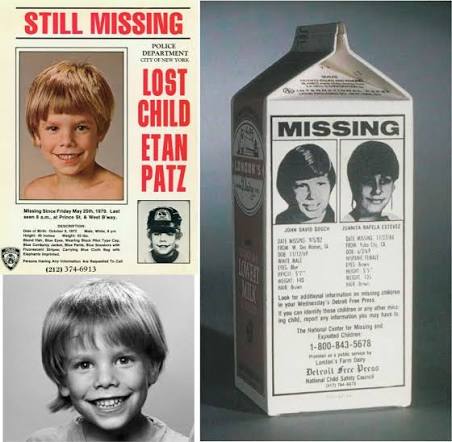
One of the first missing persons featured on the side of a milk carton in the 1980s remains missing to this day. Etan Patz was only 6 years old at the time of his disappearance from the streets of New York City, and this infamous cold case has received another update.
Patz’s convicted killer, Pedro Hernandez, was originally convicted on a false confession in 2017, according to his attorneys, but the United States Supreme Court found it different and reinstated his murder conviction, denying him a new and third trial.
Murder Suspect Conviction
On May 25, 1979, Patz walked alone to the school bus stop for the first time, never to be seen again. The now 64-year-old suspect was working as a stock boy at a nearby convenience store at the time of Patz’s disappearance, but was not questioned until 2012 after police received a tip.
The tip led to two trials, with the first ending in a mistrial in 2015 and the second in a conviction in 2017. Hernandez was sentenced that April to serve a minimum of 25 years in prison. His attorneys claim he was mentally ill when he confessed to the police and that it was a false confession.
Conviction Reinstated
The New York-based 2nd U.S. Circuit Court of Appeals overturned the jury’s guilty verdict last year based on the defense attorney’s claims, but Manhattan District Attorney Alvin Bragg requested it be reinstated.
In the prosecution’s appeal to the Supreme Court, they expressed the difficulty that would come with retrying Hernandez, considering the crime was over four decades ago, with many witnesses who testified then having died.
Additionally, Patz’s family would “have to endure yet another highly publicized recounting of the violence done to 6-year-old Etan after waiting decades for an answer to his disappearance.” On June 22, 2026, Bragg’s request was granted, and Hernandez’s conviction was reinstated.
“Today, the Supreme Court agreed with the findings of multiple lower courts and upheld the trial conviction of Pedro Hernandez for the horrific murder of Etan Patz, which changed a generation of New Yorkers. This office has remained steadfast in its pursuit of justice for Etan and the Patz family and will continue to stand by this important conviction,” Bragg said.
According to reports, the second trial conviction was overturned because of the judge’s response to a juror’s question. The juror reportedly asked the judge whether the jury should disregard Hernandez’s other confessions because they were made before his rights were read to him. The judge reportedly responded with, “The answer is no.”
Disappearance of Etan Patz
Unfortunately, Patz’s body has never been found, but his disappearance ignited a new way of locating missing children. His case, along with another missing 6-year-old boy, Adam Walsh, who disappeared in a Florida shopping mall in 1981, is credited with drawing the media attention that helped change the ways officials handle these cases.
Milk Carton Kids
It was not until the late 1990s that the National Center for Missing and Exploited Children was created, and in 1997, the first Amber Alert was issued for a missing little girl. Change gradually happened after the disappearance of Patz. He was one of the first children featured on the side of milk cartons in the 1980s.
The milk containers displayed missing-children posters and a new hotline for reporting information. It started in September 1984 in a small town called Anderson Erickson Dairy in Des Moines, Iowa, after two local boys, Johnny Gosch and Eugene Martin, went missing.
In December 1984, the National Child Safety Council launched a nationwide “Missing Children Milk Carton Program.” What is known as the “Milk Carton Kids” movement, unfortunately, did not achieve much success, but it paved the way for something greater and more effective.
