As a kid, I spent many weekends on Florida’s Gulf Coast, mostly fishing or boating in Crystal River. Some days, we got lucky and would see a small “cuddle puddle” of manatees taking a breather or grabbing a bite to eat. No matter how many times I have seen manatees, I still get excited like it’s my first time seeing one. Sadly, future generations may never get to experience the thrill of seeing a manatee enjoying a salad buffet.
Several years ago, on a family vacation to Florida (we had since moved to Connecticut), I was swimming in the Homosassa River when I was approached by a large silhouette that was slowly getting closer… and closer. Was it a shark…? Was I about to be lunch…?
Nope. It was just a curious manatee coming up to say hello, or gasp for a breath of fresh air… but I still insist that it wanted to be my friend. I swear that it said its name was Monty, or maybe the sun was getting to me. But anyway, some days, I sit and wonder how Monty is doing. I hope he’s doing ok.
Why Are Manatees in Danger…
Florida has laws prohibiting contact with the floaty potatoes, but if they swim to you, the rules change. Since it was still illegal to touch it, I fought every urge in my body to touch its squishy, whiskery face until it swam away and went about its day.
Ever since motors were attached to boats, manatees have been unfortunate victims of propellers and collisions with boats, especially at high speeds. 96% of Florida manatees bear battle scars from marine collisions with boats. Additionally, water pollution, excessive coastal development, and starvation from algae contaminated with toxins have decimated the nutrient-rich seagrass beds that they love to eat. This has contributed to the greatly depleted manatee population.
Newly signed legislation, implemented by the Trump administration, could spell the end for manatees and other endangered species in the United States. Environmental experts have warned that these rule changes to the Endangered Species Act (ESA) could harm animals by removing protections critical to their habitats and canceling safeguards for newly threatened species.
So, What Has Changed…
The following changes made by the U.S. Department of the Interior and Commerce will directly affect the future of my beloved sea cow… the regulatory definition of “harm” has been removed. Instead, destroying, degrading, or modifying a species’ habitat is no longer illegal, and people will not be held responsible. That is, unless it results in direct physical danger of death to the animal.
The “Blanket Rule” automatically granted threatened species the same protection as endangered animals. The rule changes now require individualized sets of protection plans for threatened species, which could result in a lengthy process. This would allow the licensing of logging, oil, and gas drilling, and commercial development to move forward in the vacuum.
New revisions to the “critical habitat” designation process allow agencies to exclude certain lands from federal protection for economic and national security reasons. So, as long as these exclusions will not directly lead to extinction, corporations and government agencies can essentially build wherever they want without consequence.
Secretary of the Interior Doug Burgum defended the change: “For too long, the Endangered Species Act has been weaponized to stop almost any new project in America, driving up costs for families, weakening our competitiveness, and undermining our national security.” Basically implying a money-over-manatees mentality.
How Will Manatees Be Directly Affected…
In the colder winter months, manatees migrate to warmer water. Due to increased human interference, their water quality is diminishing and eliminating their food sources. Declining warm-water quality is the most significant immediate threat to the manatee population. Without proper protective actions, manatees will become extinct.
In 2024, I graduated from college and took a trip to Florida. This time, I took my then-girlfriend (current fiancée) and her son along. This was their first time visiting the Sunshine State, and no Florida trip is complete without seeing an alligator and a manatee… We went on a boat trip on the Homosassa River.
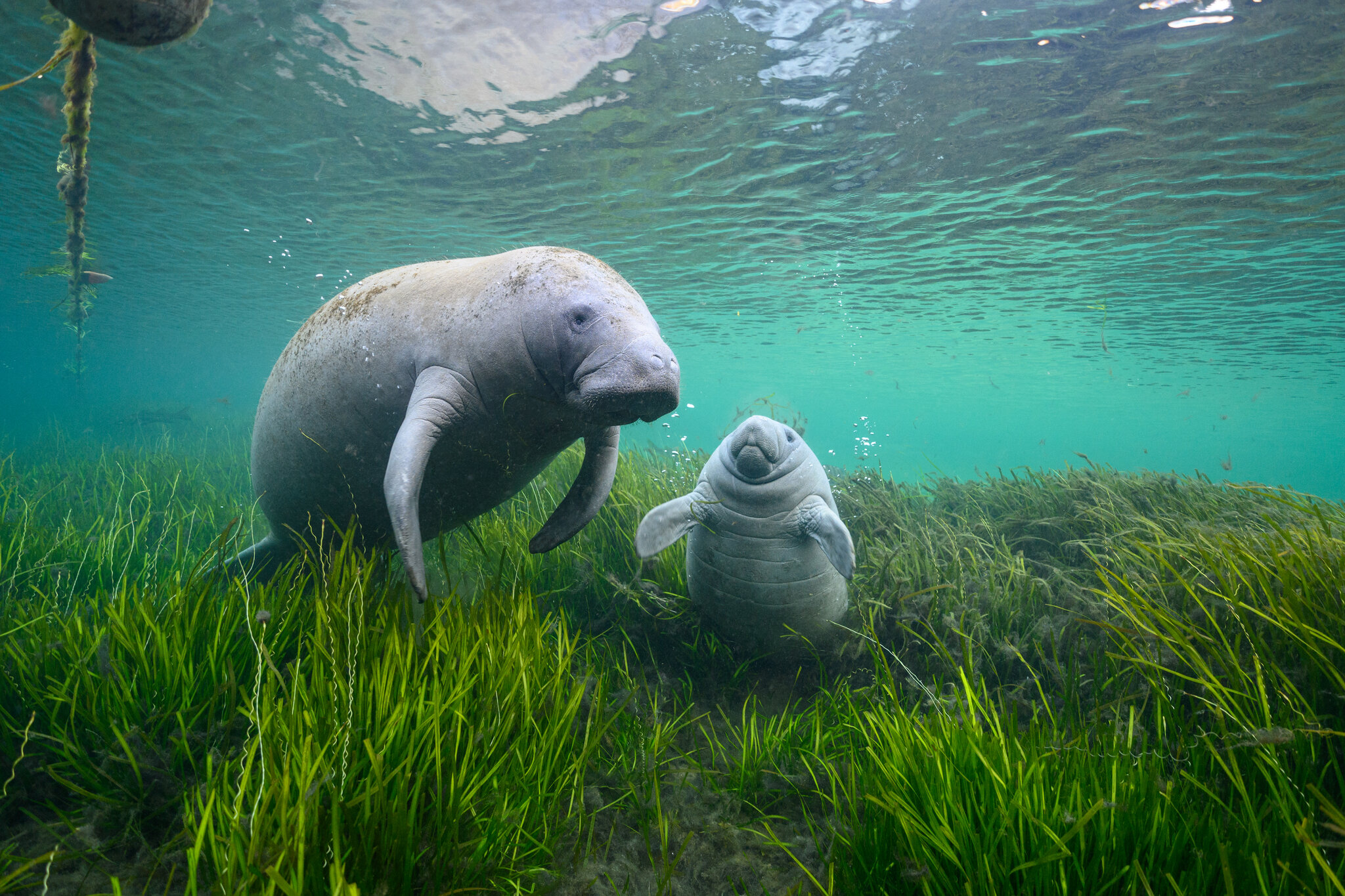
Before heading back, we came across a mother manatee and her calf. It was truly a great memory of their visit. If something doesn’t get done to preserve these chubby mermaids, future mother and child meetings like this will not be possible.
The aforementioned rule changes will diminish essential protections for species like the manatee. This could lead to their potential extinction and place a greater burden on the underfunded U.S. Fish and Wildlife Service to maintain the integrity of the ESA. If you want to help these gentle giants, visit savethemanatee.org or call 1-800-432-JOIN (5646).
