
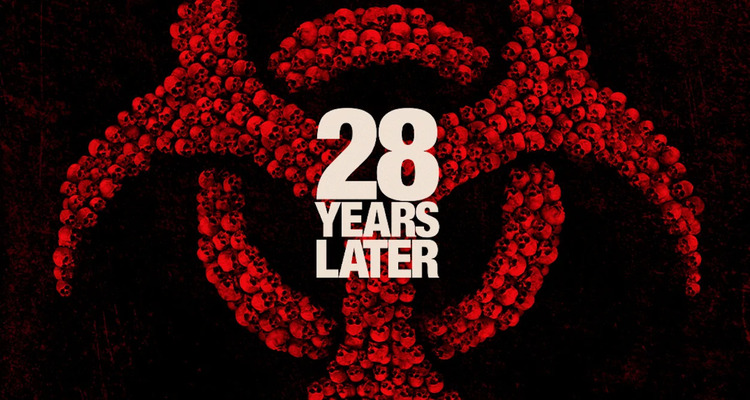
28 Years Later is the latest film in the surprisingly expansive franchise from Danny Boyle, the director of two of the three existing films and one of the upcoming entries. What once began as a small zombie story has grown exponentially, and by the time it’s finished, it will be a five-movie series. It defined and kind of kickstarted the modern zombie genre. While that genre has faded at times, including fairly recently, it’s clearly back with aplomb.
Boyle arrives, then, just in time to bring new life to it and add a new level of storytelling, primarily with the lens. The original film, 28 Days Later, was iconic for a number of reasons, but its unique editing, camerawork, and aesthetic were big reasons. With Years, the same is true on an even grander scale.
Danny Boyle Still Has It
28 Years Later, which comes only 23 years after its initial predecessor, was shot entirely on iPhone. Well, rather, it was shot entirely on iPhones. At times, Danny Boyle used incredible rigs that could hold up to 20 devices. All told, the entire film was recorded by iPhones, a wildly impressive feat.
To simply make a passable film with iPhones is incredible, but to make one that looks good is even more magnificent. The movie looks excellent. Ordinarily, it’s high praise to say a movie is the best-looking film of the year, but to say a movie shot on a phone that audience members have in their pockets is another level of compliment.
Boyle pushed the envelope again and might’ve just made filmmaking more accessible. Cameras are expensive but just look what you can do with your phone! The more filmmakers we have, the better, and I suspect movies like this will entice those without as many means to try it.
The original movie is the most appropriate example of the phrase, “It’s supposed to look like that.” Yes, 28 Days Later has an aesthetic that may be an acquired taste. It’s also edited in a pretty unique way that fits well with the movie but does make it a little harder to watch at first.
Fittingly, 28 Years Later is the same way, but done better. Technology advancements certainly help, but the film’s aesthetic is just much more palatable and easier to adjust to. The editing is as frenetic as ever, but it’s done more subtly. There are plenty of shots edited in a way that you’ve probably never seen before, but they’re done sparingly.
This achieves two exceptional feats. First, it keeps the audience engaged in the movie. Those shots are few and far enough between that the unique nature doesn’t become overbearing. They’re also infrequent enough that you’ll remember them. Its brilliant work done in a way that’s accessible while still changing how films will be edited in the near future. From a technical standpoint, this movie is singular and stunning.
28 Years Later Touches in Unexpected Ways

The technical side of movies is only one piece of the puzzle. At best, it’s one half of a film, but that might be reductive to all the many things that go into a movie. Regardless, all the behind-the-scenes stuff can only go so far. A story must be there, and it must be pretty good generally speaking. Technical masterpieces exist, but those that combine the off-screen magic with something special on it are just better.
Fortunately, this movie doesn’t ignore storytelling to focus on wonder and imagination behind the camera. 28 Days Later kind of defined what a zombie story could be like. Sure, the zombies are dangerous, but the real enemy is the people attempting to use the end of the world as an excuse to act out their vile intentions. Sound familiar? The Last of Us, The Walking Dead, and other stories came after and were surely inspired by Danny Boyle and Alex Garland’s work.
So how to return to that story and once again do something unexpected and genre-defining? How about flipping that idea on its head. There’s still plenty of messaging that people can and will be bad at the end of the world, including a clear setup for the sequel that will undoubtedly hammer home that theme once again.
But the main crux of the story is that not all people and people groups you come across in times like this will be bad, even those who seem bad. There’s a military character who seems like a complete jerk, but he still risks his life to save people a few times.
Another character is set up to be a villain and a particularly disturbing one at that, but he’s one of the most tender, loving characters in the entire movie. He is key to a lot of the unexpectedly tender moments, and there are plenty.
There are touching ruminations on life and death, primarily the latter. But there’s also a moment, without spoiling it, that might seem like it’s supposed to be shocking and disturbing. On the contrary, it’s affecting and heartfelt. It’s nice to see the good side of humanity shine through even in the darkest of times. Far too often we get told of the bad side of people, especially when faced with unimaginable circumstances. But there is goodness and light even in the darkness, and the movie shows that well.
There’s One Problem, Though
If there’s an issue with 28 Years Later, it’s that there is a tonal shift about halfway through the movie. The first half is a tense, horror, zombie movie. It appears to be setting something dreadful up before pulling the rug out and switching to a tearjerking family drama.
Ordinarily, this might be jarring, but it’s not. The only downside to it is that both halves and both types of movie are equally as good. The second half is quite somber and touching, and it’s so good that you wish the first half had been more like it. The first half is so exciting and tense that you can’t wait to see where it takes you. It works for this film, but it does leave the audience fondly remembering the first half like the one that got away while simultaneously wishing the second half had been the one they were with all along.
End Credits
Though Danny Boyle is not directing the next installment, Alex Garland is writing, and Boyle will be back for the third and final (possibly?) film in the 28 Years trilogy. After all these years, literally and metaphorically, it’s nice to see the duo come back and pretty much helm this new trio of films. This is how legacy sequels should be done, and it’s incredibly exciting to see what’s next. It’s also really nice to see that a veteran director clearly still has his fastball and can change the game.
Score: 4.5/5
