
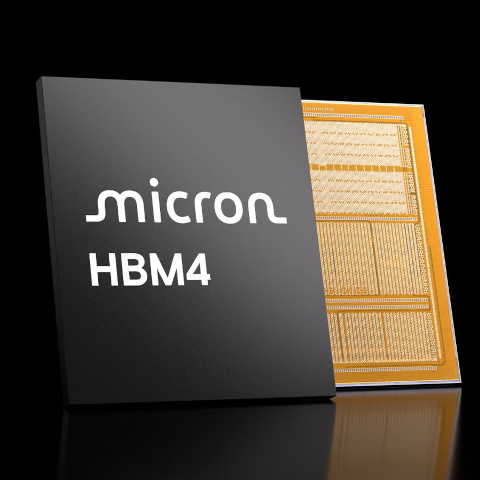
2025 has proven that the majority of the tech industry is heavily investing in artificial intelligence. In early December, Crucial producer Micron announced that the company will cease manufacturing PC components for its consumers. Instead, Crucial consumer products will be invested in AI data centers.
Samsung was then reported to be planning to do the same with its SATA and SSDs. The tech company denied the accusations until Dec. 16. As both tech companies shift their marketing tactics towards AI enterprises, what does this mean for electronics companies and PC businesses?
Micron: Consumer-Friendly to AI Ally
The Micron EVP’s words shook gamers and PC providers to their core. The main reason is that their Crucial products make up 16% of the global memory supply chain. For almost 30 years, the manufacturer has provided budget-friendly products to their consumers for all computing devices. Since the announcement, many people have noticed that DDR5 RAM component kits have risen to the $200 mark.
Tech critics called this crisis the ‘RAM-pocalypse’ as PC builders and electronic manufacturers raced to purchase. According to Micron’s official press statement, consumers have until February 2026 to obtain a Crucial PC component.
Samsung Adapts to Provide Memory for AI

Samsung came under allegations on Dec. 12 when tech YouTuber Moore’s Law is Dead published“Samsung Halts SATA SSD Production Leak.” Moore told his audience that he received trusted intel that the Korean manufacturer will be phasing out SATA SSDs to contribute to AI development products. According to the informant, Samsung wants to adapt and gain profits from AI-integrated corporations.
Unlike Micron’s transparency, the electronic producer tried to deny their business decisions. It caused a short controversy after WCCFTech reported that a Samsung spokesperson attempted to bury the rumors. The company later admitted on Dec. 16 and revealed that it is expanding its venture into chip manufacturing for AI.
The Korean Herald informed that Samsung has been under a major management change since November. Tae-moon Roh and Jun Young-hyun are appointed co-CEOs in the consumer devices and semiconductor departments. They are hosting a three-day strategy meeting. Meanwhile, Samsung Chairman Jae-yong Lee returned to the United States. He was reported to have held discussions on semiconductor cooperation with Tesla CEO Elon Musk and AMD CEO Lisa Su.
What are Micron and Samsung’s Goals?
For decades, these two companies were considered the best budget PC memory providers globally. Micron and Samsung kept computer workshops and gaming console manufacturers in business. Now, as they focus on AI data centers to sustain the RAM and storage supply, what do their leaders expect for 2026 and beyond?
Micron shared its vision back in May. International Data Corporation (IDC) Research VP Jeff Janukowicz explained, “AI is reshaping businesses by automating processes, enhancing decision-making, and driving innovation. Companies can process and analyze vast amounts of data, revealing insights and trends that were previously inaccessible.
[…] Not only will it cut operational costs, but also boost efficiency over repetitive tasks, allowing employees to focus on strategic initiatives. […] In fact, IDC predicts that AI will generate a cumulative global impact of $19.9 trillion USD by 2030.” Micron and the IDC are also researching methods to lower memory latency and reduce energy consumption to stabilize AI data centers.
Market analysts predict that Samsung could achieve annual chip manufacturing profits of $73 billion USD. Tesla and Apple are currently the company’s leading buyers as they have integrated their tech into their products. Intel and AMD are rumored to discuss deals with the electronics producer for their 2nm and 8nm node chips.
