
Literary historian J. A. Cuddon has defined the horror genre as “pieces of fiction in prose of variable length… which shocks or even frightens the reader, or perhaps induces a feeling of repulsion or loathing.” The different themes within horror have terrified readers as early as ancient Rome.
Today, the interest in film and literature in the realm of horror has risen with films like Get Out and Us, series like Lovecraft Country, and Shudder’s documentary, Horror Noir: Blacks in American Horror Films from the 1890s to Present. The latter was produced by and featured Black horror fiction author Tananarive Due.
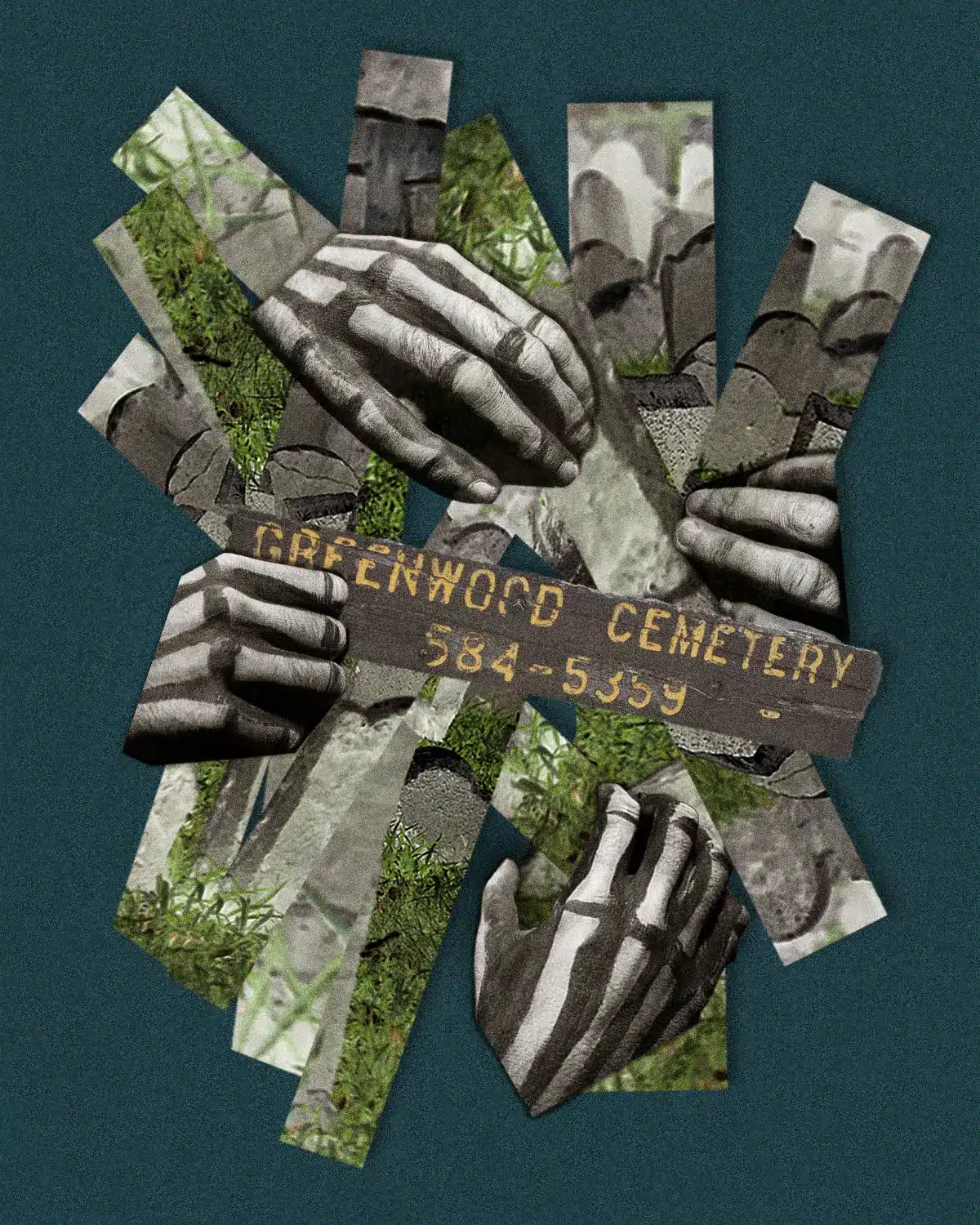
Due’s debut short fiction collection, Ghost Summer Stories, captured my attention with a story entitled Summer. Her use of horror themes and descriptive language to detail the environment, just as terrifying as the events in the story, inspired my latest short story published by The Rauch Review, Greenwood.
Diving Into Ghost Summer
In the story Summer, our main character Danielle is alone with her child in the fictional city of Gracetown, Florida. A town with a history of secrets and unanswered mysteries. One of which we learn about on page thirty, where it details dead bodies being found in a swampland that Danielle’s late grandmother said was “touched by wrong.” The reader is given more detail on Gracetown’s haunted history on page thirty-one:
“All her life, she’d know Gracetown was a hard place to live, and it was worse on the swamp side. Everyone knew that. People died of cancer and lovers drove each other to misery all over Gracetown, but the biggest tragedies were clustered on the swamp side-.”
This was important for the Florida-born author to do because it creates an air of terror for the reader. Forcing themselves to ask the question, “What’s going on in Gracetown?” Thus, allowing their curiosity and growing fear to encourage them to continue on in the story. This led me to attempt to do the same with my hometown and the setting of Greenwood, Louisville, Kentucky.
The metro city of Kentucky, but with small-town flair. Known for hosting the Kentucky Derby and for being the hometown of boxing great Muhammad Ali. What is not often known is the harrowing Black history of the city and how the past has impacted Black Louisvillians in the present. With Greenwood, I wanted to step away from the glitz and glamor of Louisville and focus on a cemetery where Black soldiers from the Civil War are buried. A cemetery that has (until recently) been abandoned.
The Monsters of Black Horror Fiction
In Noel Caroll’s Philosophy of Horror, the English author and philosopher suggests that the villain or menace in a horror story is threatening and impure in ways that are physical, psychological, spiritual, moral, or cultural. In Black Horror fiction, however, the horror is very specific to the horrors that Black people in America face. The horror genre has a variety of monsters, vampires, ghosts, and demons.
In Greenwood, my menaces (because I just can’t call them villains) were those who were dead and abandoned in Greenwood Cemetery. At the beginning of Greenwood, my character mentions how her mother is constantly sending her news reports about girls and women her age who have gone missing. An act of love from her mother, but an act that annoys my character and keeps her a little on edge.
This was tied into Greenwood because in 2022, over 36% of women and girls reported missing were Black, although Black women and girls make up only 14% of the US population. Their stories often go underreported and unnoticed by the national media and law enforcement. It seems that even in life or death, Black lives have no peace and become lost.
Every short story was memorable in Tananarive Due’s short fiction series Ghost Summer, but none of them captured my imagination quite like the story Summer. The Black Horror fiction genre allows for the very real horrors of Black livelihood to become visible to the masses and inspires readers like me to create their own tales. Visit The Rauch Review today, and read Greenwood.
